
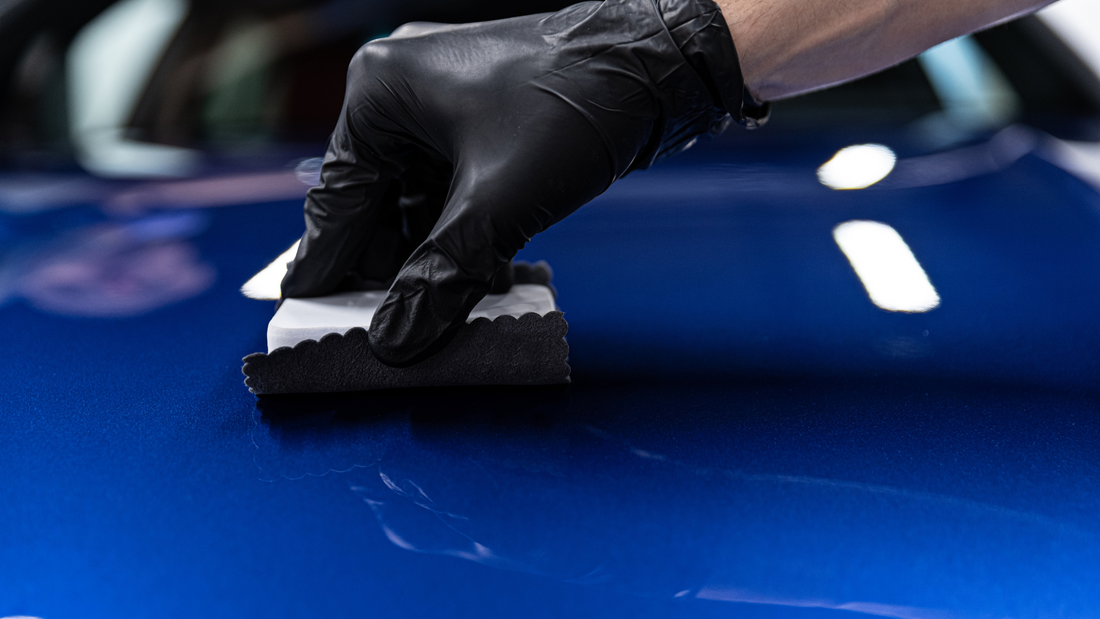
Paint & Detailing: Achieving a Showroom Shine on Your Classic Ford Truck
Share
You've reached the exhilarating stage of your restoration: painting and detailing. At TOMS OFFROAD, we recognize this phase as the moment your vision truly comes alive, showcasing the meticulous effort you've put into mechanical and bodywork preparation. Patience and precision during this phase will yield a flawless, showroom-quality finish that transforms your classic Ford truck into a masterpiece.
Final Body Prep Before Paint
Sanding and Surface Prep
Begin by block sanding the primer with progressively finer grit sandpaper (320–600). The goal here is a perfectly smooth surface—free of minor imperfections and waves—to ensure a stunning, reflective finish.
Panel Alignment Re-check
Check alignment one final time. Doors, hood, fenders, and the bed must align correctly to prevent paint chips and enhance overall appearance. Precise gaps ensure your truck looks professionally restored.
Cleanliness is Key
A dust-free environment is critical. Clean your workspace thoroughly and wipe down your truck with wax and grease remover, then use tack cloths to eliminate residual dust right before painting.
Masking
Carefully mask areas not being painted, including engine bays, suspension components, interiors, and trim attachment points. Accurate masking prevents overspray and unnecessary cleanup later.
Choosing the Right Paint System
Single-Stage vs Basecoat/Clearcoat
Decide between single-stage urethane paints (easy, traditional look) and basecoat/clearcoat systems (deeper gloss, durability). Basecoat/clearcoat systems offer easier repairs and superior shine, ideal for show-quality finishes.
Color Selection
Choose factory-original colors for authenticity or customize for personal appeal. Two-tone schemes popular in classic Ford trucks can add distinctive charm.
Quality Matters
Invest in premium automotive paint brands for lasting beauty and durability. Quality paint protects against fading and provides lasting depth and gloss.
The Painting Process
Primer Sealer Coat
Apply a primer sealer for uniform color adhesion before painting, enhancing final results.
Applying Color
Maintain proper spray gun distance (6–8 inches) and use smooth, overlapping passes. Practice first on scrap panels to perfect your technique. Typically, 2–3 color coats achieve optimal coverage.
Clear Coat
Apply 2–4 clear coats if using a basecoat/clearcoat system, ensuring proper flash times between coats for a protective and glossy finish.
Ideal Conditions and Safety
Aim for painting at around 70°F and low humidity. Always wear proper protective gear—respirator, coveralls, goggles—to safeguard health during painting.
Curing and Post-Paint Processes
Allowing Proper Dry Time
Let your paint fully cure (initial cure might take days; complete curing weeks). Patience here prevents damage and ensures a durable finish.
Color Sanding and Buffing
Wet sand with fine grit paper (1500–2000+) to smooth imperfections, then carefully polish with compound for that coveted mirror finish.
Protective Measures
Apply high-quality wax or sealant after the paint cures fully (typically after 30–60 days), protecting your flawless finish.
Reassembly of Trim and Weatherstripping
Trim and Emblems
Reinstall carefully to avoid damaging fresh paint. Use fresh fasteners and carefully align each piece to enhance the final look.
New Weatherstripping
Replace all rubber seals to ensure a tight, leak-free, and finished appearance. TOMS OFFROAD offers comprehensive weatherstripping kits designed specifically for classic Ford trucks.
Glass Installation
Reinstall glass carefully with new seals, using proven techniques or professional assistance to avoid damage.
Chrome and Trim Detailing
Fit polished chrome bumpers, mirrors, and detailed trim meticulously, ensuring perfect alignment and sealant application to prevent future water intrusion.
Interior Detailing and Restoration
Interior Surfaces
Refresh painted interior surfaces, ensuring a crisp, clean finish.
Upholstery and Trim
Install new or refurbished seats, door panels, carpets, and headliners for ultimate comfort and a polished look.
Dashboard and Gauges
Assemble the instrument panel, steering wheel, and interior controls with attention to detail, ensuring functionality and aesthetics.
Personal Touches
Consider adding era-appropriate accessories or custom touches to personalize and complete your truck’s interior restoration.
Finishing Touches & Final Checks
Exterior and Engine Bay Detailing
Perform a thorough final polish, detail wheels and tires, and meticulously clean under the hood. Attention to these small details significantly elevates your restoration.
Quality Check
Inspect your restoration carefully: ensure all components are securely fastened, and all systems—lights, wipers, horns—operate perfectly.
Celebration and First Wax
Take celebratory photographs to document this milestone, and apply protective wax or sealant after the appropriate curing period to maintain your stunning finish.
Conclusion
Your classic Ford truck now embodies a true showroom shine, visually capturing all your dedicated restoration efforts. Every meticulously prepped surface and expertly applied detail reflects your commitment to quality.
Yet, the journey isn’t over—your restoration is complete only when your Ford performs as beautifully as it looks. Next up, we'll tackle final mechanical reassembly and comprehensive testing, ensuring your truck is roadworthy and ready for adventures ahead.