
Reassembly & Testing: Bringing Your Restored Ford F-Series Truck Back to Life
Share
After countless hours of meticulous work, your 1948–1972 Ford F-Series truck stands ready to come back to life. At TOMS OFFROAD, we know this moment is the culmination of your dedication, bringing excitement, satisfaction, and a bit of nervous anticipation. Whether you're a seasoned pro or this is your first restoration, reassembly is the thrilling puzzle coming together, marking the transition from project to a fully functional classic vehicle.
Major Component Reassembly
Body to Frame Assembly
Carefully reunite the cab and bed with your restored frame using new body mount bushings and hardware. Align precisely based on reference marks, gently securing everything before fully torquing all mount bolts. Helpers and protective padding are essential here to safeguard your flawless paint job.
Engine & Drivetrain Installation
Carefully install your rebuilt or new engine and transmission, protecting painted surfaces from accidental damage. Secure all mounts, drivetrain components, and connections, including the radiator, coolant hoses, fuel lines, and wiring harness. Double-check grounding and connections—proper installation now prevents troubleshooting later.
Suspension & Brakes
Confirm all suspension components are properly attached and torqued, with cotter pins securing tie rods and ball joints. Install wheels, torque lug nuts, and perform a brake fluid check and bleed as necessary, ensuring leak-free fittings.
Exhaust and Underbody Components
Reconnect or install your exhaust system with new gaskets, ensuring secure attachment points to eliminate rattles. Verify underbody components like heat shields, spare tire carriers, and accessories are properly reattached.
Reconnecting Electrical Systems
Wiring Harness
Confirm all electrical connections are secure—engine bay sensors, lighting systems, and interior gauges. Proper routing away from heat sources and sharp edges ensures long-term reliability.
Battery and Ground Connections
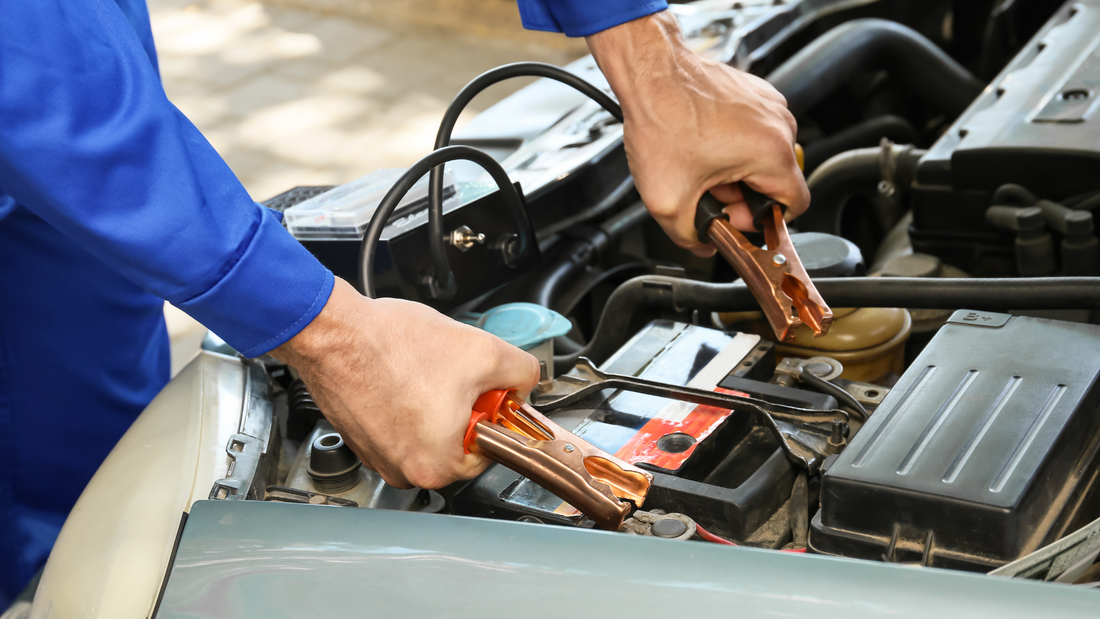
Install the battery carefully, connecting cables securely with negative last to prevent shorts. Double-check all grounds; solid grounding ensures trouble-free electrical function.
Electrical Testing
Perform a comprehensive check: headlights, signals, brake lights, ignition functionality, and gauge operation. Addressing electrical issues now prevents future roadside frustrations.
Fluids and Lubrication
Fresh Fluids Fill
Fill and check all fluids meticulously: engine oil, coolant, transmission fluid, differential gear oil, power steering, and brake fluid. Lubricate chassis points and inspect thoroughly for leaks—tightening fittings proactively.
Priming Systems
Before your first engine start, prime the oil and fuel systems. Spinning the oil pump or priming fuel lines ensures immediate lubrication and easier starting.
First Start and Engine Tuning
Initial Startup
Conduct your first start methodically: ensure a fire extinguisher is nearby, confirm all tools are removed from the engine bay, and check initial distributor timing. Watch closely for immediate oil pressure, RPM stability, and monitor engine temperature.
Tune and Adjust
After initial startup, carefully adjust timing and carburetor settings to achieve a smooth idle. Use precise tools—timing lights, vacuum gauges—for optimal performance tuning.
Troubleshooting
Expect minor issues initially: address leaks, unusual noises, idle irregularities, or starting difficulties methodically. Patient troubleshooting now ensures long-term reliability.
Road Testing and Fine-Tuning
Pre-Drive Checks
Test braking, steering responsiveness, and clutch function in a controlled environment. Small adjustments here prevent issues on the open road.
First Road Drive
Begin with a short, low-speed drive to listen and feel for potential issues. Gradually extend drive length, testing higher speeds, brake effectiveness, transmission shifting, and suspension performance.
Fine-Tuning Adjustments
Expect initial imperfections: retorque engine components, reassess timing and carb settings, adjust brakes, realign steering, and check all fluid levels post-initial drives.
Safety and Inspection
Comprehensive Safety Check
Ensure all lighting systems, seat belts, mirrors, and horns function correctly. Consider adding modern seat belts if not already equipped, significantly enhancing safety.
Legal Readiness
Ensure your truck is properly registered, insured, and compliant with local inspection requirements. This ensures peace of mind for your first long journeys.
Break-in Period
Observe proper break-in procedures for major rebuilt components: change engine oil after initial miles, avoid strenuous driving initially, and perform fluid checks and adjustments routinely.
Enjoying the Fruits of Your Labor
Your restored Ford F-Series is now ready for years of enjoyment. Keep regular maintenance schedules to preserve your hard work. Engage with classic truck communities, attend events, and proudly showcase your achievement. Whether this restoration is a keeper or destined for sale, you've breathed new life into a historic vehicle.
Conclusion
Congratulations on completing the restoration journey of your 1948–1972 Ford truck! From initial assessment to this thrilling final assembly, your dedication has turned dreams into reality. Enjoy every mile and every conversation your beautifully restored classic inspires.
TOMS OFFROAD remains your dedicated partner, ready to support your ongoing restoration journey with quality parts, expert advice, and community engagement. Share your restoration story with us—we’d love to celebrate your achievements together!